


30 Mar Common Root Causes of Injection Molding Quality Issues
Quality problems in injection molding rarely emerge from single isolated failures. Instead, they typically stem from systemic issues affecting multiple aspects of production. A warped part might point to cooling problems, but the real culprit could be inadequate process documentation allowing parameter drift. Identifying and addressing root causes affecting injection molding quality prevents recurring issues rather than repeatedly treating symptoms that continue to resurface.
Inadequate Process Documentation and Control
Many quality issues trace back to poorly documented or unvalidated manufacturing processes. Without established parameter windows for injection pressure, temperature profiles, cooling time, and hold pressure, operators make subjective adjustments based on experience rather than data. This approach works until personnel changes, material lots vary, or environmental conditions shift.
Validated processes with documented parameter ranges prevent this variability. Statistical process control identifies trends before they produce defects, enabling corrective action rather than reactive sorting. Hudson Valley Plastics maintains comprehensive process documentation supported by our ISO 9001:2015 certification. For medical and pharmaceutical applications, our IQ/OQ/PQ validation protocols establish and verify the process parameters, ensuring consistent quality across production runs. This systematic approach eliminates guesswork that compromises quality.
Poor Material Management Practices
Material-related problems create quality issues that appear unrelated to handling practices. Contaminated materials from improper storage produce surface defects. Insufficiently dried hygroscopic resins cause splay marks, voids, and dimensional inconsistencies. Mixed material lots with different melt flow characteristics create processing variations. Excessive or improperly processed regrind degrades mechanical properties.
According to the Plastics Industry Association, proper material handling represents one of the most frequently overlooked aspects of injection molding quality, yet significantly impacts final part quality. We maintain strict material handling protocols, including proper storage conditions, validated drying procedures for hygroscopic materials, lot tracking for traceability, and controlled regrind ratios when reprocessing is appropriate. Our ISO Class 8 Clean Room facilities provide contamination control essential for pharmaceutical applications where material purity directly affects product safety.
Insufficient Mold Maintenance
Reactive maintenance — fixing molds only after they fail — creates quality problems and production disruptions. Worn mold surfaces produce flash and dimensional drift. Damaged venting causes burn marks and short shots. Blocked cooling channels create hot spots, leading to warpage. Corroded gate areas affect fill patterns and surface finish.
Preventive maintenance programs identify and address wear before it impacts production quality. Our 80+ years of manufacturing experience include comprehensive mold maintenance protocols. We perform regular inspections, cleaning, and precision measurements to detect degradation early. This proactive approach maintains dimensional accuracy and surface quality over hundreds of thousands of cycles, preventing the gradual quality deterioration that reactive maintenance allows.
Lack of Operator Training and Consistency
Even well-documented processes fail when operators lack understanding of how parameters affect part quality. Without proper training, troubleshooting becomes trial-and-error experimentation. Setup procedures vary between shifts based on individual preferences rather than validated methods. Critical institutional knowledge exists only as undocumented “tribal knowledge” that disappears when experienced personnel leave.
Comprehensive operator training ensures consistent execution of validated processes. Our team receives ongoing training in injection molding fundamentals, material characteristics, troubleshooting methodology, and quality system requirements. This investment in personnel development creates consistency across shifts and enables intelligent problem-solving when issues arise. Operators understand not just what parameters to use, but why those parameters matter for quality outcomes.
Inadequate Quality Systems and Accountability
Quality systems focusing exclusively on final inspection miss opportunities to prevent defects during production. Without first-article inspection protocols, entire production runs can be completed before discovering problems. Reactive quality approaches — addressing issues only after customer complaints — prove far more expensive than preventive systems catching problems early.
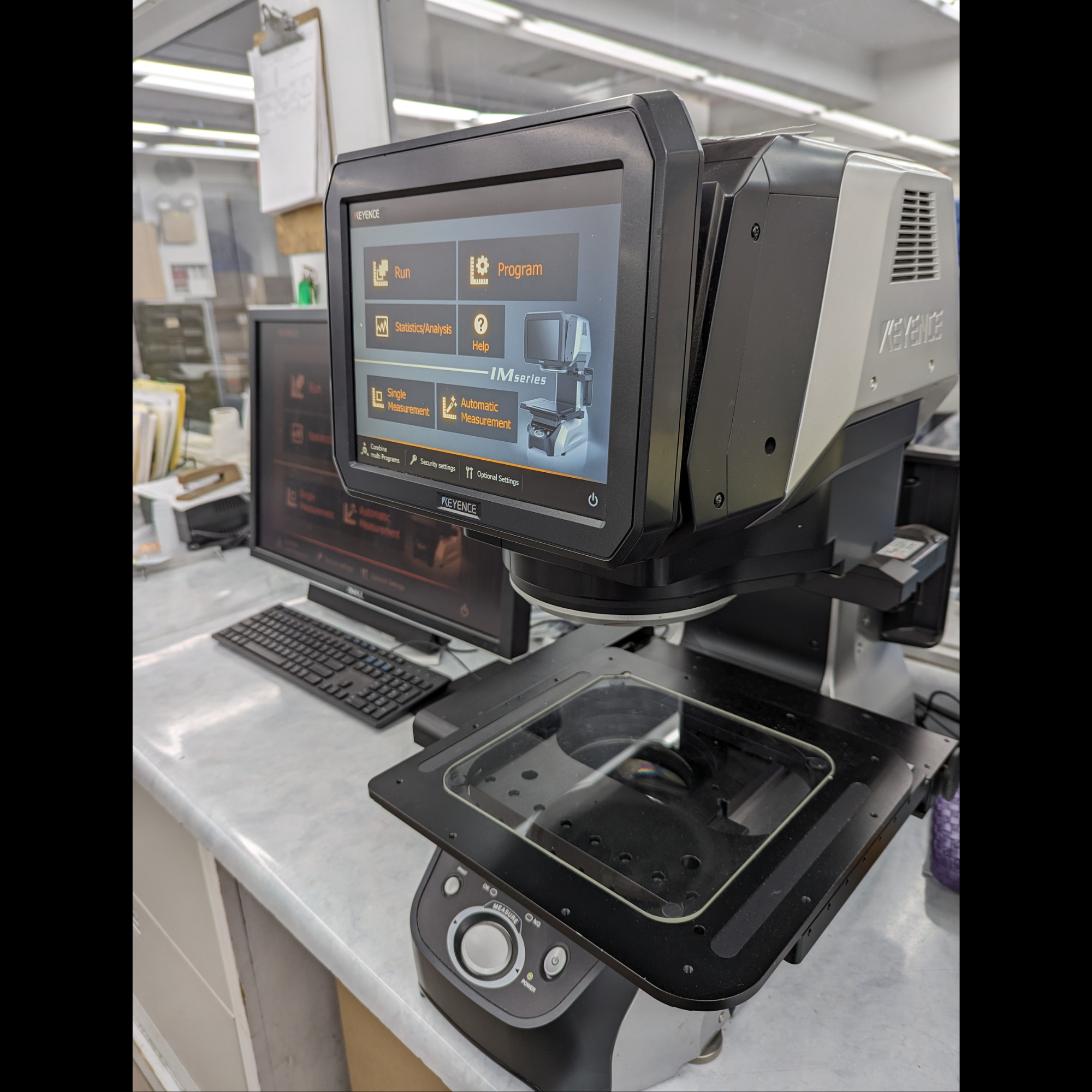
Effective quality systems embed verification throughout the manufacturing process. We perform 100% visual inspection using both trained personnel and vision inspection systems for automated verification. Our Keyence measurement equipment provides dimensional validation. Statistical analysis of inspection data identifies trends requiring process adjustment. This comprehensive approach, supported by documented accountability at each production stage, prevents quality issues from reaching customers.
Build Quality from the Ground Up
Sustainable injection molding quality requires addressing root causes systematically rather than repeatedly treating symptoms. Hudson Valley Plastics’ approach — validated processes, rigorous material management, preventive maintenance, trained personnel, and embedded quality systems — eliminates the systemic issues that compromise production quality.
Our ISO 9001:2015 certification and decades of pharmaceutical manufacturing experience demonstrate commitment to quality as a foundational principle, not an inspection afterthought.
Ready to address quality issues at their source? Contact Hudson Valley Plastics today to discuss how our systematic quality approach can improve your injection molding outcomes.
No Comments